
By Manzil Studio- 5 min read
08/08/2025
Imagine a material so light it floats in your hand, yet powerful enough to dramatically reduce energy loss in buildings. Picture wrapping your home in an invisible, super-efficient blanket keeping warmth in during the UK’s cold winters and heat out in the summer. This isn’t science fiction; it’s the reality of aerogel.
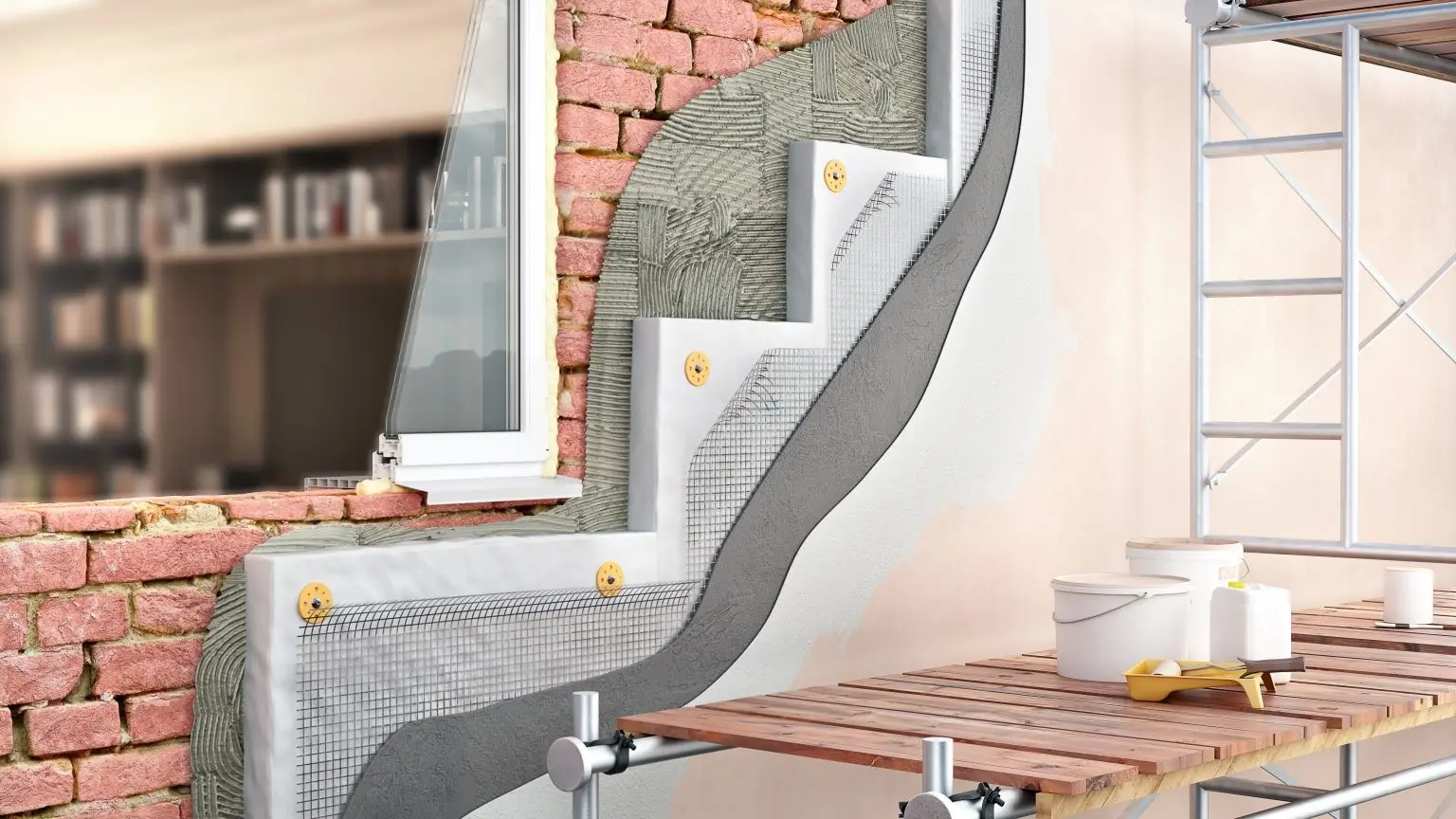
Aerogel is a groundbreaking material that’s transforming insulation, especially in retrofit projects across the UK. As architects, engineers, and homeowners work to make our buildings more sustainable, aerogel offers a game-changing solution. It allows us to upgrade existing buildings, preserve our historic architecture, and move toward meeting the UK’s ambitious carbon reduction targets.
In this article, we’ll explore:
- What aerogel is and why it’s revolutionary
- How it’s being used in retrofit and heritage projects across the UK
- Its potential to reshape the future of sustainable construction
What is Aerogel? A Closer Look
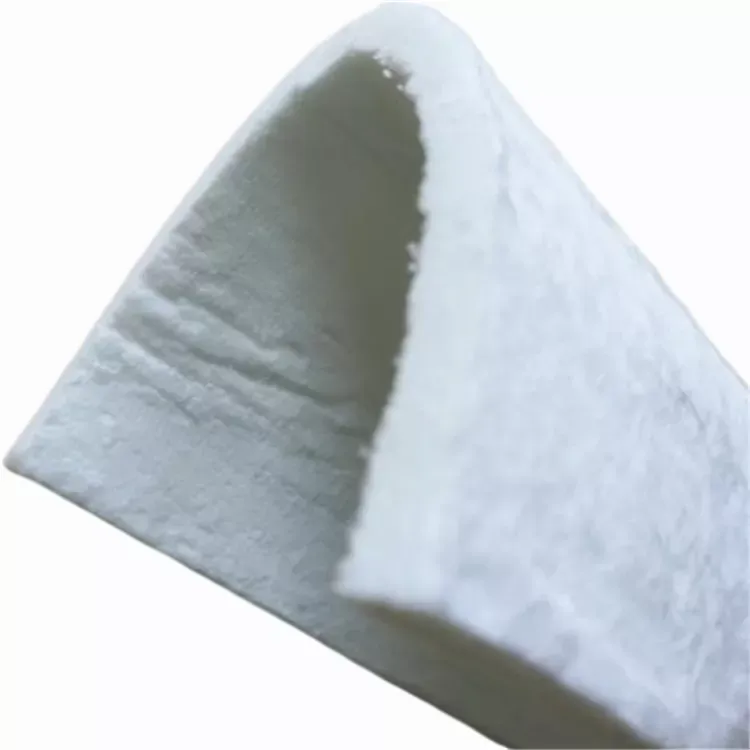
Often dubbed “frozen smoke,” “solid air,” or “blue smoke” due to its ghostly appearance and featherlight feel, aerogel is a synthetic material derived from silica, carbon, or polymers. Its structure is over 95% air, held within a microscopic network of pores.
Key Characteristics of Aerogel:
- Exceptional Insulation: With thermal conductivity as low as 0.013 W/m·K, aerogel far outperforms traditional materials like fibreglass or mineral wool.
- Ultralight Weight: It weighs just a few hundred grams per cubic metre.
- Aesthetic Flexibility: Some forms are semi-transparent, allowing for natural light and innovative façade designs.
- Strength and Adaptability: While fragile in raw form, aerogel can be engineered into robust, flexible panels, blankets, or coatings.
How is Aerogel Made?
Aerogel is created through supercritical drying, a process where the liquid inside a gel is replaced with a gas preserving the delicate internal structure. The result is a solid material with incredible insulating capabilities and ultralight weight.
Why is Aerogel a Game-Changer for UK Retrofit Projects?
1. High Performance in Minimal Space
In the UK’s dense urban environments, space is a luxury. Retrofitting often involves strict spatial constraints. Traditional insulation materials like foam or mineral wool require thick layers, which may reduce internal space or affect exterior appearance.
Aerogel’s superior thermal performance means 2–3 cm can deliver R-values equivalent to 30–40 cm of traditional insulation. Ideal for:
- Heritage Buildings: Where space and appearance must be preserved.
- Flats & Apartments: Where internal dimensions are limited.
- Urban Infill Projects: Where conserving interior space is crucial.
2. Preserving Architectural Character
Many UK properties are listed or located in conservation areas. Retrofitting these often involves strict regulations. Thick insulation may require removing original plasterwork or altering facades costly and often prohibited.
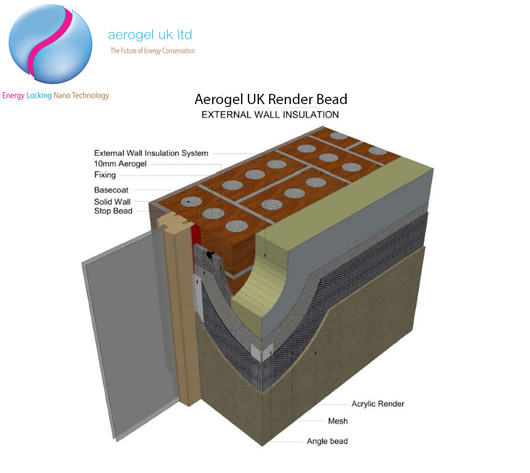
Aerogel’s thin profile enables high-performance insulation with minimal visual or structural impact. Whether as a blanket, spray, or panel, it adapts to complex surfaces and delicate features without compromising design integrity.
3. Boosting Energy Efficiency and Comfort
With energy costs rising and buildings responsible for nearly 40% of UK carbon emissions, energy-efficient retrofits are vital.
Aerogel can significantly reduce heating and cooling demands, resulting in:
- Lower energy bills
- Reduced carbon footprint
- Enhanced thermal comfort (fewer drafts, more stable indoor temperatures)
4. Sustainable and Resilient Construction
Aerogel’s fire resistance, durability, and long-term thermal stability make it ideal for resilient buildings facing future climate extremes.
Moreover, many aerogels are derived from abundant or recycled materials, supporting the UK’s circular economy and sustainability goals.
5. Retrofit Without Major Disruption
Aerogel can be used for:
- Internal and external wall insulation
- Roof and loft retrofits
- Window and door upgrades with aerogel-enhanced glazing
Its versatility and ease of application allow retrofits to proceed with minimal disruption and structural change.
Practical Applications of Aerogel in UK Retrofit Projects
– Listed & Heritage Buildings
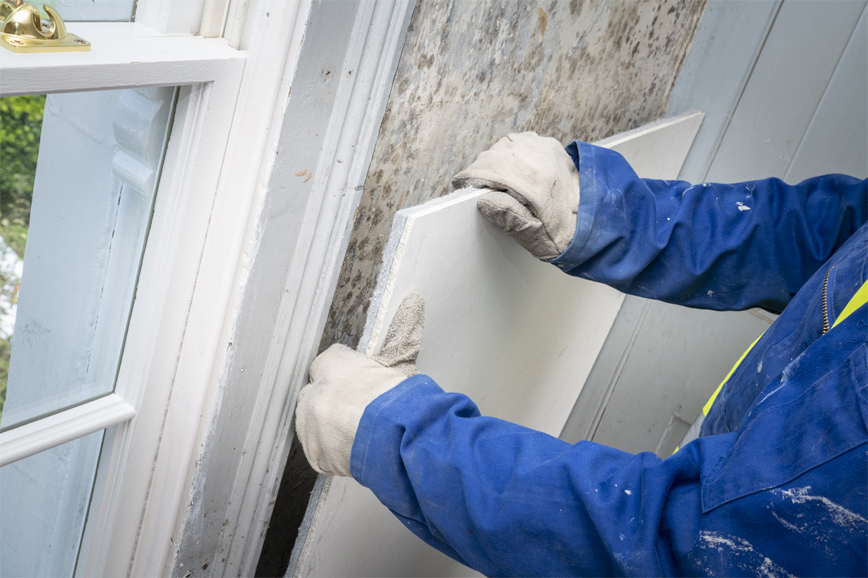
In conservation areas, aerogel panels can be installed behind façades or plasterwork providing insulation without altering external or internal features.
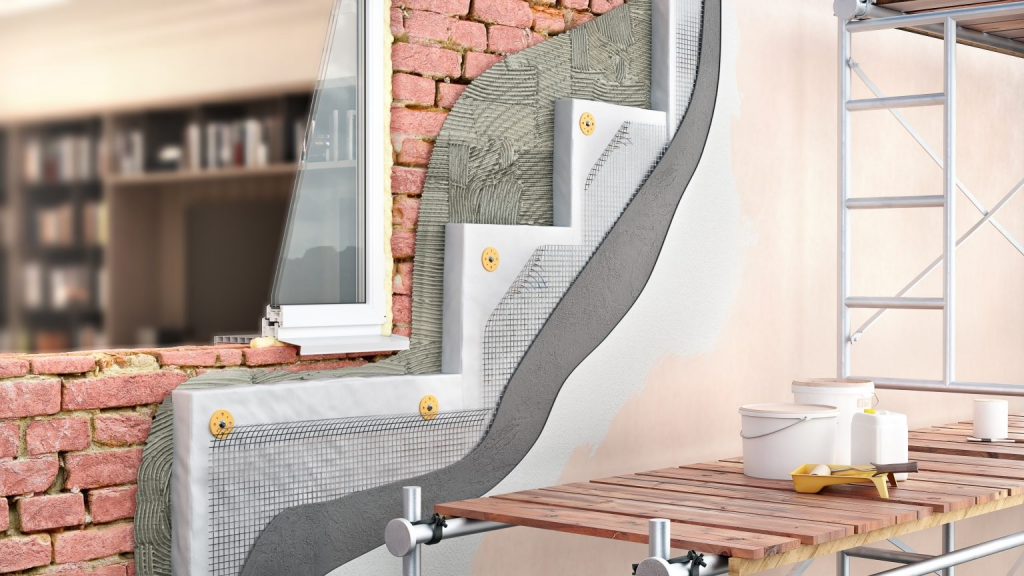
– Internal Wall and Loft Insulation
In cities like London or Manchester, internal upgrades are often the only option. Aerogel blankets or sprays allow efficient insulation without bulky materials, preserving space and aesthetics.
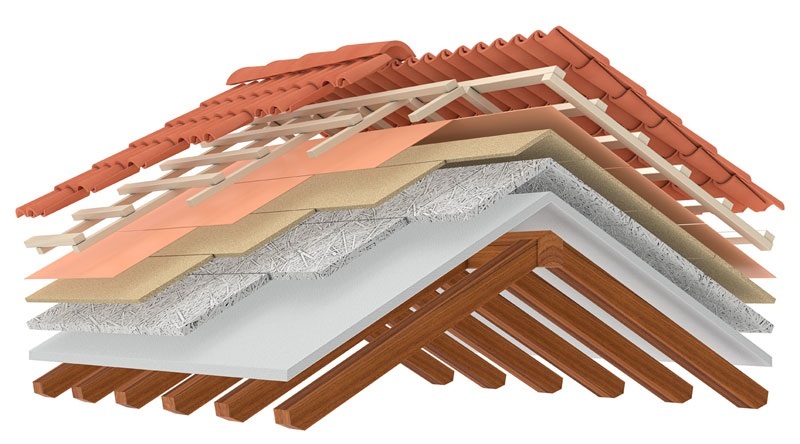
– Roof Insulation
Loft conversions or flat roofs can be difficult to insulate effectively. Aerogel’s flexibility and thinness allow easy installation in tight, awkward spaces.
– Windows and Doors
Aerogel-enhanced glazing provides transparency with insulation, reducing heat loss through existing window and door frames.
UK Examples & Pilots
While still emerging in the mainstream, several UK projects highlight aerogel’s potential:
- Heritage Retrofit, London
Aerogel blankets were applied behind historic plasterwork, maintaining aesthetics while improving energy performance. - University Campus Accommodation
Student housing has trialled aerogel insulation, cutting energy bills and improving comfort. - Affordable Housing Pilots
Urban developments are testing aerogel panels to combine thermal comfort with cost efficiency.
Challenges & Limitations
Despite its advantages, aerogel faces some practical hurdles:
- Cost: Currently more expensive than traditional options, though prices are expected to fall with wider adoption.
- Installation Complexity: Fragile in raw form, aerogel requires trained professionals for proper application.
- Limited Market Penetration: UK suppliers are growing, but aerogel isn’t yet mainstream. This is likely to change as demand increases and manufacturing scales up.
The Future Outlet: A Thin Layer with a Big Impact
With the UK’s climate targets driving a push for more energy-efficient buildings, aerogel is poised to become a vital tool in sustainable construction. Watch for:
- More affordable aerogel products
- Integration with phase-change materials (PCMs) for smarter thermal regulation
- Broader uptake in heritage, affordable housing, and public sector projects
Final Thoughts: A New Era of Insulation
In the drive toward a sustainable, energy-efficient, and resilient UK built environment, aerogel is a powerful ally. It delivers exceptional thermal performance with minimal space requirements ideal for retrofits, conservation areas, and space-constrained projects.
As architects and engineers, embracing this material allows us to respect the past while designing for the future.
Interested in exploring aerogel for your next project?
If you’re planning a retrofit or heritage upgrade and want to explore cutting-edge insulation, I’d love to discuss how aerogel can fit into your vision.
Let’s work together to create buildings that are not only beautiful and functional but sustainable and future-proof.
info@manzilstudio.com